by Dario Kenner, Visiting Fellow, Anglia Ruskin University, The Conversation: https://theconversation.com/post-war-reconstruction-involved-taxing-richest-it-could-be-a-model-for-building-a-low-carbon-economy-137717
Amid the worst public health crisis in a generation, an economic disaster is brewing. Experts predict the fallout from COVID-19 could cause a historic downturn. Meanwhile, a recent study indicated that more than 3 billion people can expect to live in places with “near unliveable” temperatures by 2070. In order to create long lasting prosperity, the post-pandemic recovery will also need to tackle the climate crisis.
It will take government investment to accelerate a green transformation of the economy, so that energy, heating and transport systems can reach net-zero emissions as soon as possible. So how could some of that money be raised?
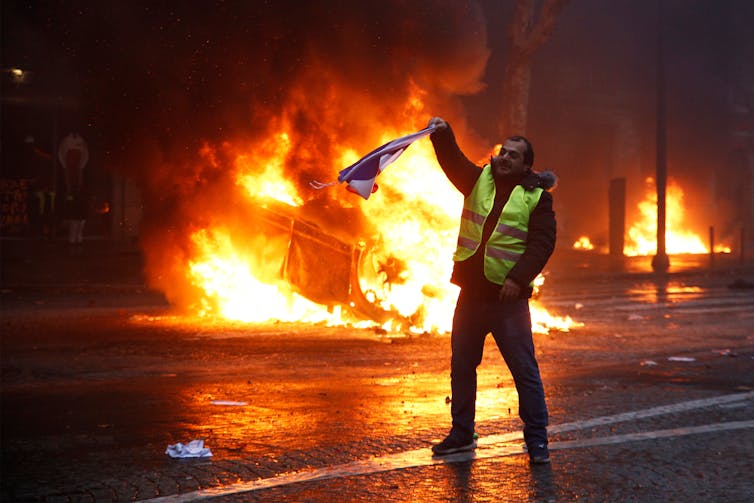
A recent example from France shows exactly how not to do it. A fuel tax hike by Emmanuel Macron’s government – intended to nudge people to use less petrol, diesel and heating oil – sparked widespread protests throughout 2018 and 2019. The gilets jaunes (or “yellow vests”) movement tapped into discontent about the rising cost of living, but also a deep resentment that the public were having to shoulder the cost of decarbonisation.
If ordinary people, who have been hit hard by the pandemic – and have relatively small carbon footprints – are expected to cough up to fund a green economic stimulus, the programme is unlikely to be popular. But 75 years on from the UK’s last great recovery effort, it’s worth remembering how Britain pulled together in the past.
Why should the richest contribute more?
The UK’s millionaires and billionaires hold more responsibility for climate change as a result of their lifestyles and investments. One study estimated that the average greenhouse gas emissions per person of the richest 1% in the UK is equivalent to around 147 tonnes of CO₂, compared to an average of four tonnes for someone in the poorest 10%. One of the reasons that the rich have larger carbon footprints is because they fly further and more often than the average person.
The richest 1% also invest their wealth in companies whose operations are highly polluting. I created a database where I calculated the greenhouse gas emissions connected to the shares held by senior executives and directors at major oil, gas and mining companies. Since I pioneered this methodology, Bloomberg Green’s work has helped identify the world’s ten richest billionaires whose fortunes help fuel climate change. Warren Buffet – the world’s fourth richest man – owns Berkshire Hathaway, a conglomerate that holds shares in several airlines and energy utilities. According to Bloomberg Green’s analysis, Buffett’s conglomerate “was directly and indirectly responsible for 189 million tons of greenhouse gas emissions in 2018”. That’s the same as burning 21 billion gallons of gasoline, or fully charging 24 trillion smartphones.
The UK has a history of making the richest contribute more at a time of national crisis. To fund the war effort and post-war reconstruction after 1945, the UK government raised taxes on income, inheritance and luxury goods, like motor cars. In many ways, carbon inequality was even more pronounced in the early part of the 20th century, as only the richest could afford cars.
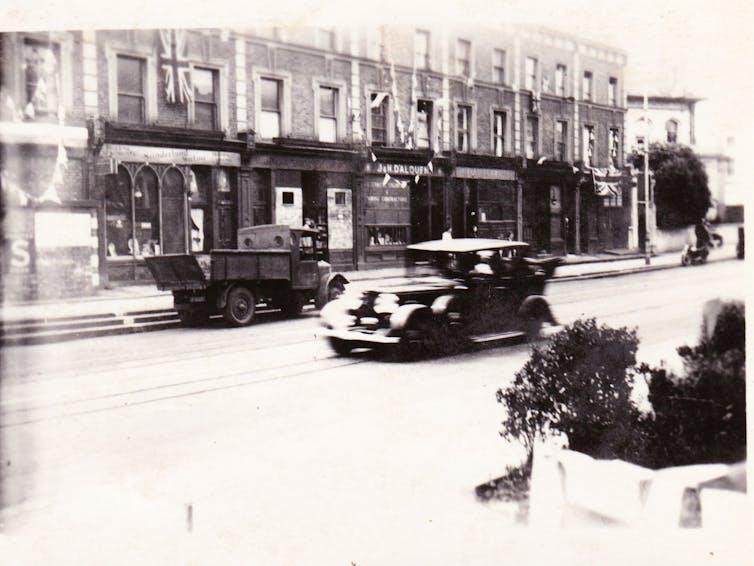
The top marginal income tax rate went up from 75% in 1938 to 98% in 1941, and it stayed at this level until 1952, only dropping below 89% in 1978. The top inheritance tax rate went up from 50% in 1938 to 65% during the war, and it increased to 80% between 1949 and 1968. With that, Britain built a welfare state and the NHS.
In 2020, income tax on those earning over £150,000 is 45%, while inheritance tax is set at 40%. Since millions of working people have been pushed into unemployment and debt by the pandemic, they should be the first to get help.
A bailout for workers
The global collapse in demand for oil has cost thousands of people their jobs in the North Sea oil and gas sector. Around 270,000 people depend on this industry – that’s a lot of people facing an uncertain future. But their skills could be redeployed for better purposes.
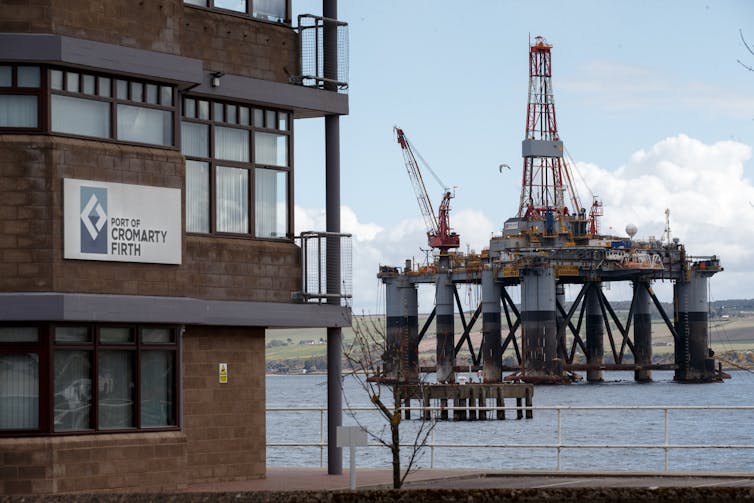
Starting in the 1970s, the UK government enabled the extraction of oil and gas in the North Sea through massive incentives and investment, and it continues to incentivise extraction through tax breaks. The same could be done for offshore wind energy, which is already well established.
The transferable skills that most workers in the North Sea oil and gas supply chains already have can be used to make the UK a global powerhouse for offshore wind energy. For those with specialist skills, retraining could be provided.
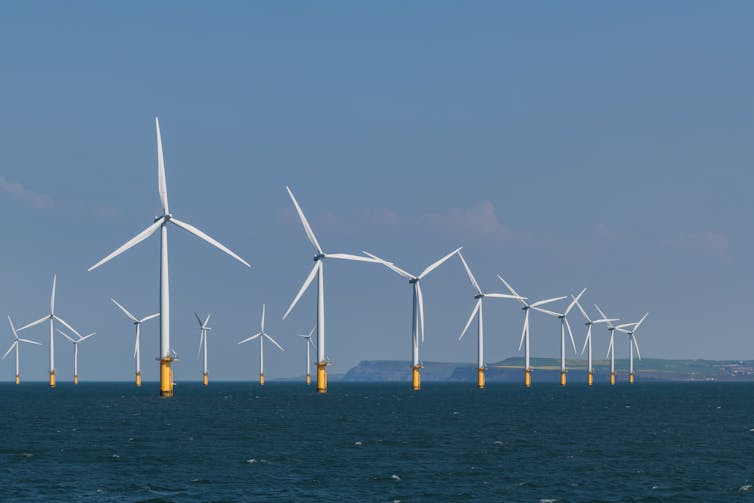
Raising income and inheritance taxes on the richest who have most responsibility for climate change could raise revenue to secure the livelihoods of oil and gas workers, and their grandchildren, by addressing climate change. Just as those with the broadest shoulders were asked to make their contribution to the war effort, so should the wealthiest help communities get back on their feet today.
Prime Minister Boris Johnson has said the pandemic is a national crisis on a par with the Second World War. In 2020, people are celebrating the anniversary of VE day during another hour of need. Just as it did 75 years ago, the government should ask those with more resources – and the largest carbon footprints – to contribute more to the country’s green reconstruction.